No Lead Left Behind: Building an Accountability-First CRM Automation System
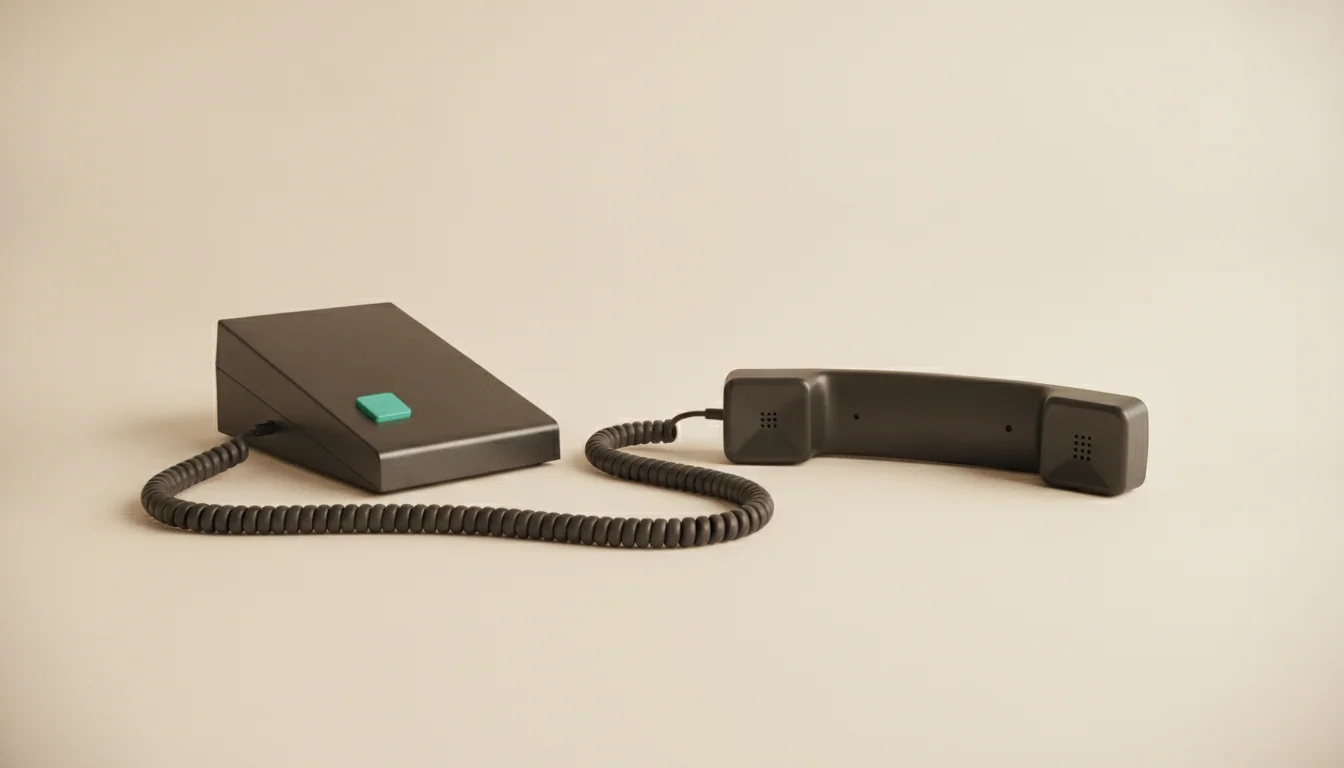
You've probably received one of those emails. "Hey, tried calling you earlier!" Except nobody called. The CRM fired a timed sequence, and the message went out whether or not a human actually picked up the phone.
It's a small lie. But it's the kind of lie that erodes trust between a business and the people it's trying to help. And it's baked into most CRM automations by default.
I recently built a lead lifecycle system in HubSpot for a property investment advisory firm and their mortgage brokerage arm. Two brands, a small sales team, and a problem that was costing them deals: leads were falling through the cracks. No system, no accountability, no visibility into who was following up and who wasn't.
The solution wasn't just automation. It was automation that tells the truth.
The Problem Most Teams Don't Realise They Have
Here's a stat that should make any business owner uncomfortable: 48% of salespeople never make a single follow-up attempt after initial contact (Marketing Donut, 2025). Nearly half. And of the leads that do get some attention, only 27% are ever actually contacted by the sales team (Rep.ai, 2025).
The usual fix is to throw automation at it. Set up a timed sequence — Day 1: email. Day 3: SMS. Day 7: another email. The problem is that timed sequences don't care whether a human did anything. They fire regardless. Your lead gets an SMS saying "just tried calling, missed you" while your broker was at lunch and never dialled a number.
The client I was working with had exactly this dynamic playing out. Leads coming in from META ads and website forms, a team of brokers who were genuinely busy, and no system to ensure every lead got the attention it deserved. Some leads would sit untouched for days. Others would get one call attempt and then nothing. There was no way to know who was doing what, and no mechanism to catch the ones slipping through.
Designing for Honesty, Not Just Speed
The core principle I built the system around was simple: automated messages should only fire after genuine human action.
When a broker moves a lead to "1st Attempt" in HubSpot, they're attesting that they actually picked up the phone and tried to call. Only then does the system send an SMS saying "Hey, just tried calling — what time works today?" The automation rewards action, not time.
This is a deliberate rejection of the standard timed-sequence approach. In most CRM setups, leads auto-progress through stages based on delays. Wait 24 hours, move to next step, fire the follow-up. My system does none of that. The broker controls the pace. They decide when to make the next call attempt and manually advance the lead to the next stage when they do.
It's a philosophical choice that trades a bit of speed for a lot of integrity. And integrity matters — research consistently shows that 78% of customers buy from the first company that responds (Salesforce, 2025). Speed matters, but only when it's real.
The Lead Journey: Seven Stages of Accountability
The lifecycle I built has seven stages, each with specific automation that only triggers on human action:
NEW — A lead submits a form. The system assigns them to a broker via round-robin, sends a welcome email and SMS from that broker's actual phone number, and creates a call task. The broker has three business days to make contact.
1ST ATTEMPT — The broker calls, doesn't reach the lead, and moves them here. An SMS fires immediately: short, direct, urgent. An email follows reinforcing the same message. The tone says "I just tried, let's connect."
2ND ATTEMPT — Another genuine call attempt. The messaging shifts to helpful and value-driven. "I've tried a couple of times, want to make sure I'm not just bombarding you — when's a good time?" The system acknowledges the multiple attempts without being pushy.
3RD ATTEMPT — The final attempt stage. The tone shifts to a graceful exit. "I haven't been able to reach you — should I close this off or try again later?" It's a breakup message that respects the lead's time while leaving the door open.
CONNECTED — The broker has actually spoken to the lead. This is the ownership handoff point. The moment a lead hits Connected, all automated rotation stops permanently. That broker owns the relationship from here.
QUALIFIED — A real conversation happened, interest is confirmed, there's momentum. A recap email goes out with next steps, and a task is created to book a meeting.
MARKETING — Long-term nurture for leads that aren't ready yet. Monthly educational content, soft touchpoints. And critically, a lead only gets here when a broker manually puts them there. Never automatically.
The Safety Net: Rotation That Never Gives Up
The most important design decision wasn't about the stages — it was about what happens when a broker drops the ball.
Every lead in the NEW stage has a three-day timer. If the assigned broker hasn't taken any action in three business days, the lead automatically rotates to the next team member via round-robin. The new broker gets the same welcome automation — fresh email, fresh SMS, fresh task. Their own three-day clock starts.
If that broker also doesn't act? It rotates again. And again. Leads keep bouncing between team members indefinitely until someone makes contact or manually sends them to the marketing nurture.
An earlier version of the system had a cap — after two rotations, leads would auto-send to the marketing sequence. I removed it. The reasoning: automatically shelving a lead who might have picked up on the fourth try is worse than rotating them one more time. Leads are never automatically abandoned. Only a human can make that call.
The same rotation logic kicks in at the 3rd Attempt stage. After the breakup messages go out, there's a three-day window for the lead to respond. If they don't, and the broker hasn't intervened, the lead rotates to a fresh broker and resets to NEW. A completely fresh start with a different voice, different timing, different luck.
The Technical Backbone: 12 Workflows, One System
I built this as 12 focused, single-responsibility HubSpot workflows rather than one monolithic automation. Each workflow does one thing and does it well:
Two lead creation workflows handle intake from paid social and organic sources. They deduplicate, assign via round-robin, create the lead record, and stamp two critical properties — the lead stage and the brand identifier — that everything downstream depends on.
Five stage action workflows fire communications when brokers advance leads through attempt stages. Each one branches by contact owner to route SMS through the correct broker's Aircall number, ensuring the message comes from their actual phone number.
Two rotation timer workflows enforce the three-day accountability window at the NEW stage, one per brand.
A sync workflow bridges a gap in HubSpot's architecture. Brokers interact with the Lead pipeline board, dragging cards between stages. But the workflows that send communications trigger on Contact properties. The sync workflow watches for Lead pipeline changes and mirrors them to the Contact record in real-time.
Two lock workflows handle the CONNECTED and QUALIFIED stages, permanently stopping rotation when a broker makes genuine contact.
The whole system runs on five custom Contact properties. The most elegant is the rotation lock mechanism: there's a user-facing checkbox (stop_lead_rotation) and a system-level date stamp (lead_rotation_stopped_date). Even if someone accidentally unticks the checkbox, the date persists, and rotation stays stopped. The checkbox is the interface; the date is the truth.
The Communication Arc: From Warm to Breakup
The messaging across stages follows a deliberate emotional arc that respects both the broker's credibility and the lead's patience:
At NEW, the tone is warm and casual. "Just saw your details come through, I'll give you a call shortly." It's a human introduction, not a marketing blast.
At 1ST ATTEMPT, it shifts to direct and urgent. "Just tried calling and missed you — what time works today?" The implication is clear: a real person just tried to reach you.
By 2ND ATTEMPT, it becomes helpful and self-aware. "I've tried a few times and don't want to keep bombarding you." The broker acknowledges the lead's time.
At 3RD ATTEMPT, it's the breakup. "Should I close this off or try again later?" Soft scarcity, door left open.
Every email uses a "RE:" subject line prefix — a deliberate choice that makes automated emails appear as replies to an ongoing conversation rather than cold outreach. Combined with the first-person tone and the broker's actual name, these read like personal messages.
By the Numbers
The system replaced what would have required a full-time sales operations coordinator manually routing leads, tracking follow-ups, and sending messages across two brands.
- 120 dev hours avoided compared to typical agency delivery for a 12-workflow system with integrations
- 1 FTE replaced — the combination of automated routing, follow-up enforcement, and communication removes the need for a dedicated CRM admin
- ~$105,000 AUD in annual savings from labour costs avoided and operational efficiency gains
- 12 workflows coordinating lead lifecycle across two independent brand pipelines
The real ROI isn't in the cost savings though. It's in the leads that would have been lost. Research shows leads contacted within five minutes are 21x more likely to qualify than those contacted after 30 minutes (Harvard Business Review). This system doesn't guarantee five-minute response times, but it guarantees that no lead sits untouched for more than three business days. That alone changes the math.
The Takeaway
The best automation doesn't replace human effort. It holds humans accountable and amplifies the effort they actually put in.
Most CRM automation is designed around the question: "How do we follow up faster?" The better question is: "How do we make sure every follow-up is real?"
When your system only fires messages after genuine action, two things happen. Your leads get a more honest experience. And your team knows that the system is watching — not to punish, but to catch what falls through the cracks.
No lead left behind. Not because a robot is doing the work, but because the robot makes sure a human does.